
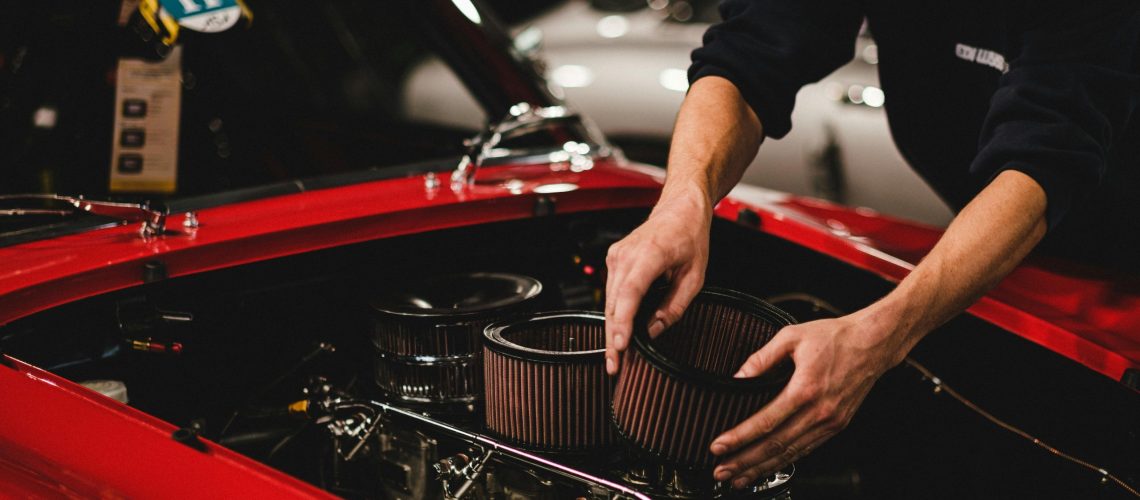

Your car’s air filter might not be the first thing that comes to mind when thinking about vehicle maintenance, but it plays a vital role in keeping your car running smoothly.
It’s easy to overlook this small yet crucial component, but understanding how often to replace your air filter can save you time, money, and headaches in the long run.
Let’s dive into why your car’s air filter matters, how often you should replace it, and the benefits of keeping it clean and functional.
What Does the Air Filter Do?
The air filter in your car serves as the gatekeeper for your engine. It prevents dirt, debris, and other harmful particles from entering the engine. Without it, contaminants could damage sensitive engine components, leading to costly repairs.
The air filter also ensures that your engine gets clean air for combustion. Clean air is essential for the engine to perform efficiently. Without a properly functioning air filter, your car’s engine might not receive enough air, which can cause it to burn fuel less effectively.
Signs Your Air Filter Needs Replacing
Your car’s air filter doesn’t need constant attention, but there are telltale signs that it might be time for a replacement.
Here are a few things to watch out for:
- Decreased Fuel Efficiency
If you notice your car is using more gas than usual, a clogged air filter might be to blame. Restricted airflow can force the engine to work harder, leading to higher fuel consumption. - Reduced Engine Performance
Does your car feel sluggish when accelerating? A dirty air filter can choke the engine, limiting its ability to perform at its best. - Unusual Engine Noises
A popping or coughing sound from the engine might indicate that the air filter is dirty and restricting airflow. - Dark or Dirty Air Filter
If you inspect the air filter and it looks clogged with dirt and grime, it’s time for a replacement. A clean air filter should appear white or light gray. - Check Engine Light
Sometimes, a dirty air filter can trigger the check engine light. This happens because the lack of airflow affects the air-to-fuel ratio, causing the car’s sensors to pick up a problem.
How Often Should You Replace the Air Filter?
The frequency of replacing your air filter depends on your car’s make and model, as well as your driving habits.
Most manufacturers recommend changing the air filter every 12,000 to 15,000 miles or once a year. However, if you frequently drive on dusty roads or in areas with high pollution, you might need to replace it more often.
It’s always a good idea to consult your vehicle’s owner manual for specific guidance. If in doubt, have your mechanic check the air filter during routine maintenance.
Benefits of Replacing Your Air Filter on Time
Replacing your car’s air filter on schedule comes with several benefits that directly impact your vehicle’s performance and longevity. Here’s what you gain:
1. Improved Fuel Efficiency
A clean air filter helps maintain the optimal air-to-fuel ratio, ensuring your engine uses fuel more efficiently. This can save you money at the pump over time.
2. Better Engine Performance
When the engine gets the clean air it needs, it performs at its best. You’ll notice smoother acceleration and a more responsive drive.
3. Reduced Emissions
A dirty air filter can increase your car’s emissions, contributing to pollution. Keeping the filter clean helps reduce the harmful gases your car releases into the atmosphere.
4. Extended Engine Life
By preventing dirt and debris from entering the engine, a clean air filter protects sensitive components from wear and tear. This can extend the life of your engine and save you from expensive repairs.
5. Cost Savings
Though an air filter replacement is a small maintenance expense, it can save you big money by preventing larger issues like engine damage or excessive fuel consumption.
How to Replace Your Air Filter
Replacing an air filter is a simple process that you can often do yourself. Here’s a quick step-by-step guide:
- Locate the Air Filter Housing
Open the hood of your car and look for a rectangular plastic box, usually near the engine. - Remove the Old Filter
Open the housing and take out the old air filter. Be careful to note how it’s positioned. - Inspect the Old Filter
Check the filter for dirt and grime. If it’s clogged, it definitely needs replacing. - Insert the New Filter
Place the new filter in the same position as the old one, ensuring it fits snugly. - Close the Housing
Secure the housing back in place, making sure it’s tightly closed.
If you’re unsure about replacing the air filter yourself, a mechanic can do it quickly during an oil change or regular service.
Final Thoughts
Knowing how often to replace your car’s air filter is a small but significant part of being a responsible vehicle owner. A clean air filter supports your engine, improves fuel efficiency, and helps your car run more smoothly.
Ignoring it, on the other hand, can lead to reduced performance, higher costs, and potential engine damage.
Take a moment to check your car’s air filter during your next maintenance session. Staying proactive about this simple task will keep your car in excellent condition and ensure you enjoy a smooth ride for years to come.
So, don’t wait for warning signs! Regularly replacing your air filter is one of the easiest ways to maintain your car and avoid unnecessary troubles.