
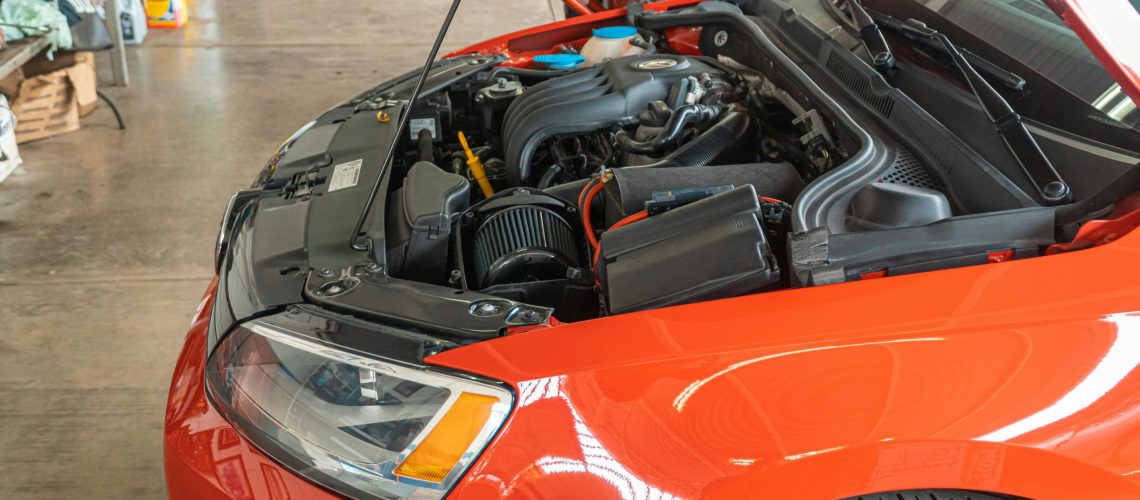

When people think about cars, they usually focus on things like the engine, the tires, or even the paint job.
But hiding under the hood is a very important part that doesn’t get enough attention — the water pump. Even though it’s small, it plays a big role in making sure your car keeps running properly.
In this complete guide, we’ll break down what a car water pump does, how it works, and why it matters so much for your vehicle’s health.
What Is a Car Water Pump?
The car water pump is often called the “heart” of the cooling system. That’s because its main job is to circulate coolant — a special liquid — through the engine and radiator.
Coolant absorbs heat from the engine, and the water pump pushes it through the system to get cooled down.
The water pump is usually made from metal, such as aluminum or cast iron, and it’s located near the front of the engine. It’s typically powered by a serpentine belt, timing belt, or timing chain. This means as soon as you start your car, the water pump is already working, quietly doing its job without you even noticing.
Key Takeaway: Without a working water pump, your engine would overheat quickly, causing major damage.
How Does a Water Pump Work?
Understanding how a water pump works can be simple if you think about it like a water wheel or a fan. Inside the pump is a part called an impeller — it’s a spinning wheel with blades. As the impeller turns, it pushes coolant through the system.
Here’s a step-by-step look:
- Coolant is pulled from the radiator into the water pump.
- The impeller spins, creating a flow of coolant.
- The coolant travels through channels around the engine block and cylinder heads.
- Heat from the engine is absorbed by the coolant.
- The hot coolant returns to the radiator, where it cools off before starting the cycle again.
This continuous flow keeps the engine at an ideal temperature — not too hot and not too cold — no matter how long you drive.
Quick Tip: Some newer cars use electric water pumps instead of belt-driven ones for even better efficiency.
Why Is the Water Pump So Important?
You might not think much about the water pump because you can’t really see it or hear it working. But without it, your engine could overheat within minutes.
Here’s why the water pump matters:
- Prevents overheating: Engine parts work best within a certain temperature range. Too much heat can cause metal parts to expand, warp, or even crack.
- Protects major parts: Without cooling, critical parts like the cylinder head, head gasket, and pistons can fail.
- Helps your car run better: A cooler engine runs more efficiently, saving gas and giving you better performance.
Important to Know: A failed water pump can cause thousands of dollars in engine repairs — sometimes even requiring a full engine replacement.
Signs Your Water Pump Might Be Going Bad
Water pumps are tough but not indestructible. They wear out over time due to constant movement, high temperatures, and pressure.
Here are clear warning signs that your water pump could be failing:
- Coolant Leaks: Look under your car for puddles of bright green, orange, or pink fluid. Coolant leaks are often one of the first signs.
- Overheating: If your temperature gauge is creeping into the red zone, it could mean coolant isn’t circulating properly.
- Weird Noises: A squealing, whining, or grinding noise from the front of the engine could mean the water pump bearings are worn out.
- Steam: If you see steam coming from under the hood, pull over immediately! This means the engine is too hot and could suffer serious damage.
- Rust or Corrosion: If you inspect your engine and notice buildup or rust near the water pump area, it could mean there’s a small leak that’s slowly ruining the pump.
Pro Tip: Always listen to your car. Strange smells, sounds, or leaks are usually signs that something needs attention.
What Happens If You Ignore a Bad Water Pump?
It’s easy to hope a small leak or noise will “go away” on its own, but ignoring a bad water pump is a dangerous gamble.
Here’s what might happen if you delay repairs:
- Extreme Overheating: Without coolant circulation, your engine temperature can skyrocket fast, causing the car to shut down unexpectedly.
- Blown Head Gasket: Heat can warp metal engine parts and destroy the gasket that seals your engine, leading to very expensive repairs.
- Cracked Engine Block: In the worst-case scenario, overheating can crack the engine block, requiring a full engine replacement — easily costing thousands of dollars.
- Being Stranded: A failed water pump can leave you stuck on the side of the road, especially during long trips or in hot weather.
Bottom Line: Fixing a bad water pump now is much cheaper and easier than replacing an entire engine later.
How to Keep Your Water Pump in Good Shape
Taking care of your water pump is easier than you think. A little attention now can save you huge headaches later.
Here’s how to keep your water pump working its best:
- Flush Your Coolant System: Old coolant can turn acidic and eat away at the pump. Experts suggest flushing and replacing coolant every 30,000 to 60,000 miles, or every 2 to 5 years depending on the car.
- Use the Right Coolant: Always use the type recommended in your car’s manual. Mixing the wrong types can cause buildup or corrosion.
- Inspect Belts and Hoses: If belts that drive the pump are cracked, loose, or frayed, replace them. A bad belt can cause the pump to fail.
- Watch for Leaks: Spotting a small leak early can prevent bigger problems. If you ever smell something sweet under the hood (the smell of coolant), check for leaks immediately.
- Stay Aware of Engine Temperature: Your car’s temperature gauge should always stay in the middle range. If it starts moving up, pull over and investigate.
Pro Tip: Some mechanics suggest replacing the water pump at the same time you change your timing belt, since they are often located in the same place and require the same amount of labor to reach.
How Much Does It Cost to Replace a Water Pump?
If you do need a new water pump, you’re probably wondering what it will cost.
Here’s a quick guide:
| Car Type | Typical Replacement Cost |
| Small Sedan | $400–$600 |
| Mid-Size SUV | $500–$800 |
| Luxury or Performance Car | $700–$1,200 |
The cost includes both the price of the part and the labor needed to replace it. In many cases, mechanics also recommend replacing related parts like belts, gaskets, and hoses at the same time, which can add to the cost but helps prevent future problems.
Helpful Tip: Always get a few quotes before choosing a repair shop, and check if your car’s warranty or extended warranty covers water pump issues.
Final Thoughts
Your car’s water pump might be out of sight, but it should never be out of mind. It quietly keeps your engine cool and running smoothly, mile after mile.
Knowing what a car water pump does and why it matters helps you appreciate how important regular maintenance is.
By watching for early warning signs, flushing your coolant on schedule, and fixing small problems before they grow, you can avoid costly repairs and keep your car running like a champ for years to come.
Treat your water pump with care — your car (and your wallet) will thank you!