
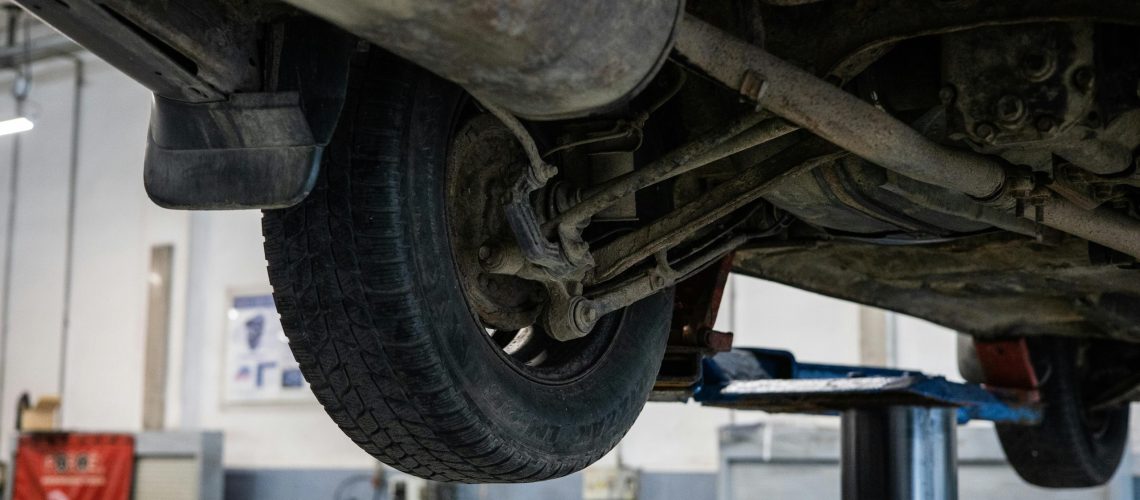

Your car’s suspension system is an unsung hero, quietly absorbing bumps and shocks to give you a smooth and comfortable ride.
It’s not just about comfort; the suspension also plays a critical role in handling, stability, and safety.
But like any other part of a car, the suspension doesn’t last forever. So, how long does it last, and when should you replace it? Let’s dive in.
Understanding Car Suspension: The Basics
Before exploring the lifespan of a car’s suspension, it’s important to understand what it is and what it does. The suspension system includes several components like shocks, struts, springs, and control arms, all working together to absorb road impact, maintain tire contact, and stabilize the vehicle.
Key Components of the Suspension System:
- Shocks and Struts: Control the movement of springs and prevent excessive bouncing.
- Springs: Support the vehicle’s weight and absorb road shocks.
- Control Arms and Bushings: Connect the suspension to the car’s frame and provide flexibility.
- Ball Joints and Tie Rods: Help in steering and maintaining wheel alignment.
Each component has a different lifespan and wear pattern, but they all contribute to the overall performance of the system.
How Long Does Suspension Last?
On average, a car suspension system lasts 50,000 to 100,000 miles, but this depends on various factors. Some vehicles might experience issues earlier, while others might go beyond the 100,000-mile mark without noticeable problems.
Factors That Affect Suspension Lifespan:
- Driving Conditions: If you frequently drive on rough roads or face potholes, the suspension components will wear out faster.
- Driving Style: Aggressive driving, like hard braking and sharp turns, puts more stress on the suspension.
- Vehicle Type: Some cars are built with more robust suspension systems than others.
- Maintenance Habits: Regular inspections and timely repairs can extend the suspension’s life.
Signs That Your Suspension Needs Attention
Your car’s suspension will give you warning signs before it fails. Here are some common symptoms to watch for:
1. Bumpy or Uncomfortable Ride
If your car feels overly bouncy or rough, it could be due to worn-out shocks or struts.
2. Uneven Tire Wear
Worn suspension parts can cause poor alignment, leading to uneven tire tread wear.
3. Pulling to One Side
If your car drifts to one side while driving, it might be due to suspension or alignment issues.
4. Noisy Steering or Suspension
Clunking, squeaking, or rattling noises when driving over bumps may indicate damaged components like bushings or ball joints.
5. Longer Stopping Distance
A failing suspension can affect braking performance, increasing your stopping distance.
6. Visible Damage
Inspect for leaking shocks or struts, broken springs, or damaged control arms during routine maintenance.
When to Replace Your Suspension?
You should replace your suspension components when they show significant wear or fail to function properly. Regular inspections during your vehicle’s maintenance schedule can help you identify potential issues early.
Replacement Guidelines:
- Shocks and Struts: These typically last 50,000 to 75,000 miles. Replace them if they are leaking, damaged, or no longer provide a smooth ride.
- Springs: While springs last longer, they should be replaced if they are broken or sagging.
- Control Arms and Bushings: Replace these when they show signs of cracking, excessive wear, or affect the vehicle’s handling.
- Ball Joints and Tie Rods: Replace if they are loose or making noise.
Pro Tip: Replace suspension components in pairs (e.g., both front shocks) to ensure balanced performance and avoid uneven wear.
Why Replacing Suspension Is Important
Driving with a worn-out suspension is more than just uncomfortable; it’s dangerous.
A failing suspension can affect:
- Handling and Stability: Making your car harder to control, especially during sharp turns or emergency maneuvers.
- Tire Wear: Uneven wear reduces tire life and increases the risk of a blowout.
- Braking Performance: A worn suspension can lengthen stopping distances, putting you and others at risk.
- Overall Safety: Compromised suspension affects your car’s ability to absorb shocks and maintain road contact, which can lead to accidents.
Investing in suspension repairs or replacements not only improves ride quality but also ensures your safety on the road.
Tips to Prolong Suspension Life
While you can’t make your suspension last forever, good driving and maintenance habits can help extend its lifespan.
- Avoid Rough Roads: Whenever possible, choose smoother routes to minimize wear and tear.
- Drive Gently: Avoid hard braking, rapid acceleration, and aggressive cornering.
- Inspect Tires Regularly: Keep tires properly inflated and aligned to reduce stress on the suspension.
- Routine Maintenance: Have your suspension system checked during regular service appointments.
- Address Issues Early: Don’t ignore strange noises or handling problems; fix them promptly to avoid further damage.
Conclusion
The suspension system is essential for your car’s performance, safety, and comfort. While it typically lasts between 50,000 and 100,000 miles, its actual lifespan depends on your driving conditions, style, and maintenance habits.
Regular inspections, timely replacements, and good driving practices can keep your suspension in top shape for longer.
Pay attention to the warning signs, and don’t hesitate to consult a trusted mechanic if you suspect issues. A well-maintained suspension not only ensures a smooth ride but also keeps you and your passengers safe on the road.