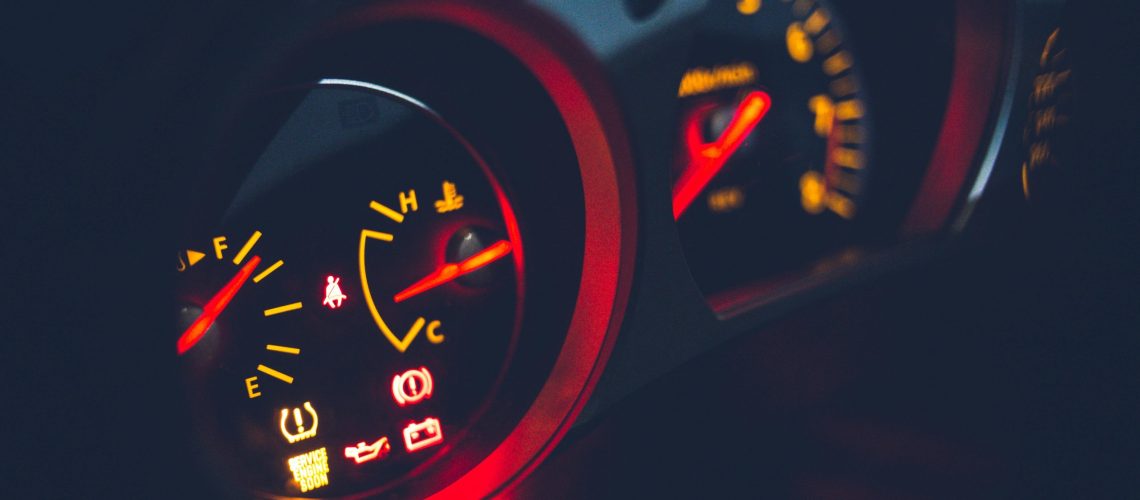

When you see your car’s low oil pressure light flick on, it’s not just a suggestion it’s a warning that demands your immediate attention.
This light indicates a potentially serious problem with your vehicle’s lubrication system, which, if left unchecked, could lead to significant engine damage or failure.
You might wonder what causes this critical alert and how urgent the situation is.
From common triggers to the steps you need to take next, understanding these aspects can save you from hefty repair bills and the inconvenience of unexpected automotive troubles. What should you do if you find yourself in this situation?
Understanding Oil Pressure Basics
When your vehicle’s oil pressure light illuminates, it signals that lubrication levels are critically low, potentially risking severe engine damage. This warning light indicates that the oil pressure, necessary for maintaining the smooth operation of your engine components, has dropped below a safe threshold.
It’s the force per unit area exerted by the circulating oil within the engine, providing a thin layer between moving parts to reduce friction and wear.
Adequate oil pressure guarantees that this lubrication reaches all necessary components efficiently. If the oil level is too low or the oil’s viscosity isn’t suitable, the engine can’t maintain peak oil pressure.
This oil isn’t just a liquid; it’s a critical component engineered to specific viscosity levels to perform under varying temperatures and pressures. The right viscosity ensures that the oil remains fluid enough to pump effectively but thick enough to maintain adequate pressure.
Common Causes of Low Oil Pressure
Several factors trigger your vehicle’s low oil pressure light, including low oil levels, incorrect viscosity, and failing oil pumps.
Here’s a breakdown of the most prevalent causes:
- Low Engine Oil: If your oil level drops, it’s often due to leaks or insufficient top-ups. This is a common cause of low oil pressure, as the system lacks enough oil to maintain pressure. Regular checks and timely refills can prevent this issue.
- Incorrect Oil Viscosity: Using oil with the wrong viscosity can greatly affect oil pressure. Oil that’s too thick or too thin won’t lubricate the engine parts effectively at operating temperatures, leading to drops in oil pressure.
- Failing Oil Pump: The oil pump is essential for maintaining adequate oil pressure. Contamination or wear can impair its function, decreasing oil circulation and pressure.
- Clogged Oil Filter: When your oil filter becomes clogged, it restricts oil flow, preventing it from reaching vital engine components. Regularly changing the oil filter can help maintain proper oil flow and pressure.
Symptoms and Early Warning Signs
Recognizing the symptoms and early warning signs of low oil pressure, such as engine noise and decreased performance, is essential for maintaining your vehicle’s health.
When the oil pressure light illuminates, it’s a clear indicator that your engine might be running low on oil or suffering from poor circulation, which could potentially lead to engine damage if not addressed.
You’ll likely hear unusual noises from the engine compartment, such as knocking or ticking sounds resulting from inadequate lubrication. These sounds are your engine’s way of crying out for help.
Another red flag is decreased performance, which may manifest as sluggish acceleration or a general lack of responsiveness from your vehicle.
Overheating is an often overlooked symptom. Without adequate oil pressure, your engine’s cooling system can’t function properly, leading to increased engine temperatures and, ultimately, overheating. This condition, if ignored, can cause significant engine damage.
To avoid these severe outcomes, regular maintenance is essential. This includes timely oil changes, checking oil levels, and promptly addressing any leaks.
Immediate Actions to Take
If your vehicle’s low oil pressure light illuminates, you must act swiftly to prevent any engine damage.
Here’s what you should do immediately:
- Pull Over Safely: As soon as the low oil pressure light comes on, find a safe location to pull over. This step is vital to avoid further damage to your engine.
- Turn Off the Engine: Once you’re safely parked, turn off the engine immediately. Continuing to drive can worsen the issue, leading to severe internal engine damage.
- Check Oil Level: After the engine has cooled down, check if the oil level is correct. A low oil level might be causing the low oil pressure warning. If needed, top it off, but remember this mightn’t be the sole issue.
- Seek Professional Help: Don’t hesitate to call for professional assistance. A qualified mechanic can diagnose and resolve the underlying cause of the low oil pressure light.
Preventive Measures and Maintenance Tips
To safeguard your engine’s health, you should regularly monitor and maintain the oil levels as per the manufacturer’s recommendations. Ensuring proper oil levels isn’t just about topping off the oil; it’s about understanding the balance required to maintain peak engine performance.
Don’t overlook the significance of the recommended oil viscosity, which is specifically formulated to suit your engine’s needs and operational conditions.
Timely oil changes and oil and filter replacements are essential preventive measures. Adhering to a scheduled maintenance plan can prevent the accumulation of contaminants that could lead to increased friction and eventually, low oil pressure.
Remember, using high-quality filters is as important as the oil quality itself. These filters trap debris and particles, preventing them from circulating back into the engine’s critical components.
Monitoring engine performance is key listen for any unusual noises or changes in the engine’s behavior. Such signs could indicate emerging issues before they trigger the low oil pressure light.
Should this light come on, it’s crucial to seek professional help promptly. A technician can provide an accurate diagnosis and appropriate resolution, ensuring your vehicle remains reliable and your engine stays protected.
Conclusion
As you’ve learned, addressing low oil pressure promptly is essential. Consider this: approximately 5% of engine failures are due to inadequate oil pressure.
To avoid joining this statistic, perform regular oil level checks and adhere to suggested maintenance schedules.
Ignoring the low oil pressure light not only risks severe engine damage but also jeopardizes vehicle safety.
Stay vigilant, act swiftly on warnings, and maintain your engine’s health through diligent care and preventive measures.