
You’ve likely noticed your car shuddering or struggling with acceleration, symptoms that might point to a failing torque converter. Before you consider a costly replacement, it’s important to confirm the diagnosis.
A detailed check by a specialist can determine if the issue lies within the torque converter or elsewhere in your transmission system. This approach not only saves you money but also makes certain that the correct problem is addressed.
But what if the diagnosis confirms a problem with the torque converter? What options will you have then, and how can they affect your car’s performance in the long run?
Identifying Torque Converter Issues
How can you tell if your torque converter is failing? You’re part of a community that values smooth and efficient driving, so noticing early symptoms can save your vehicle from further damage.
Common signs include gear slippage, rough idling, and a noticeable drop in fuel efficiency; all indicators that your torque converter might be in trouble.
You might also experience a shudder or unusual noises, pointing to contaminated transmission fluid affecting the power transfer from your engine to your transmission.
If your vehicle struggles to accelerate or the transmission fluid overheats, these are clear warnings.
Don’t ignore these symptoms; they’re a call to action to protect your car’s health and your peace of mind.
Checking Transmission Fluid
After identifying potential issues with your torque converter, it’s crucial to inspect the transmission fluid as a next step. Verifying the right transmission fluid level isn’t just about maintaining fluid levels; it’s about preserving the life and functionality of your vehicle.
Here are key steps for checking transmission fluid:
- Warm up your car: Make sure the engine is warm and running for an accurate level check.
- Locate the dipstick: Pull it out and clean it for a clear reading.
- Examine the fluid: Look for signs of burnt or contaminated transmission fluid, which suggest internal damage.
- Check the level: Reinsert the dipstick to verify if the fluid is low, which can cause overheating and slippage.
- Top off if necessary: Maintain proper fluid levels to support torque converter health.
Inspecting Torque Converter Components
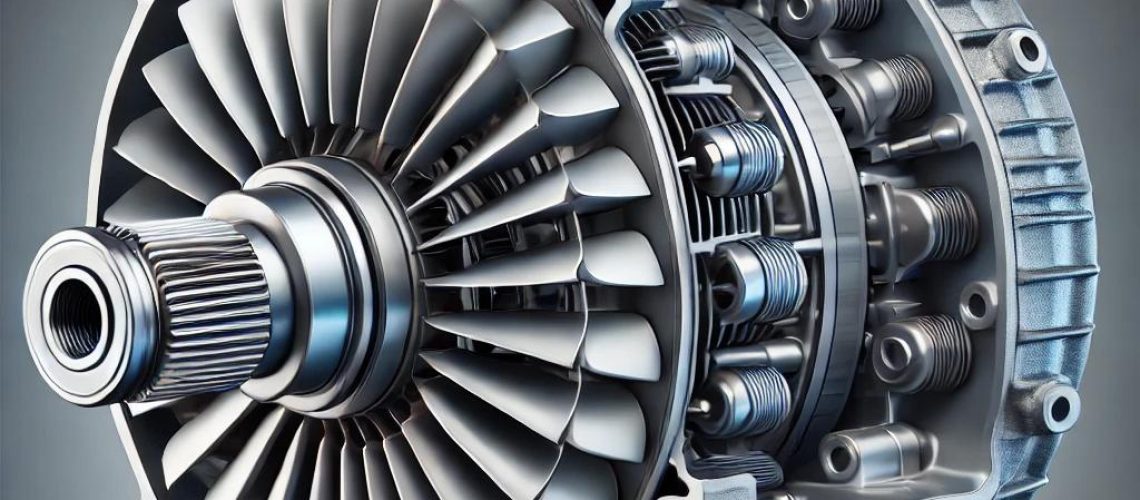
Begin your inspection by examining the torque converter’s impeller, turbine, stator, and clutch for any signs of wear or damage. You’re not alone in facing these challenges; many have successfully navigated these issues.
Look for signs of overheating like discoloration or warping among the torque converter components. This can often point to deeper operational issues.
Check around the torque converter housing for any fluid leaks which might suggest seal or gasket issues. Don’t overlook the lockup clutch; signs of slipping or abnormal wear here could spell trouble for your vehicle’s performance.
Professional Diagnostic Procedures
Why should you consider professional diagnostic procedures when suspecting a bad torque converter?
Engaging a torque converter specialist means you’re not alone in solving these tricky issues. They use specialized testing methods like stall tests, pressure gauge measurements, and visual inspections to pinpoint the exact problem.
This accurate diagnosis is crucial, especially when you’re experiencing gear slippage, shuddering, or rough idling. These symptoms can feel isolating, but professional help ensures that you’re supported in finding a solution.
Preventative Maintenance Tips
To prevent torque converter issues, regularly check and maintain your transmission fluid levels. Keeping your engine healthy is like being part of a supportive community where everyone benefits.
Here are some key tips for preventative maintenance:
- Follow manufacturer’s recommendations for timely transmission fluid changes.
- Avoid aggressive driving which can lead to premature wear.
- Listen for unusual noises or vibrations; they’re often early indicators something’s amiss.
- Seek professional inspection and servicing if you detect any performance changes.
- Embrace a routine maintenance schedule to keep your vehicle in top shape.
Cost Analysis of Repairs
While maintaining your vehicle helps prevent issues, understanding the costs associated with repairing a bad torque converter will prepare you for any necessary financial decisions. The cost analysis reveals that a new torque converter ranges from $200 to $500.
However, don’t forget the labor costs, which can tack on an additional $400 to $700 due to the transmission removal required. You’re looking at a total of $600 to $1,200 for a complete torque converter repair.
Prompt repair is important to prevent further damage that could escalate costs. It’s essential to seek a professional mechanic for an accurate diagnosis and effective solutions.
Investing in timely, expert repairs ensures you’re part of a community dedicated to responsible car ownership and long-term vehicle health.
Conclusion
Addressing a bad torque converter promptly can save you from costlier repairs down the line. Surprisingly, proper maintenance of your vehicle’s torque converter can boost its efficiency by up to 15%.
Don’t hesitate to get a professional diagnostic if you’re noticing any troubling symptoms. Regular checks and timely repairs or replacements will make sure your vehicle remains reliable.
Investing in preventative maintenance and expert advice now can greatly reduce your long-term expenses.