
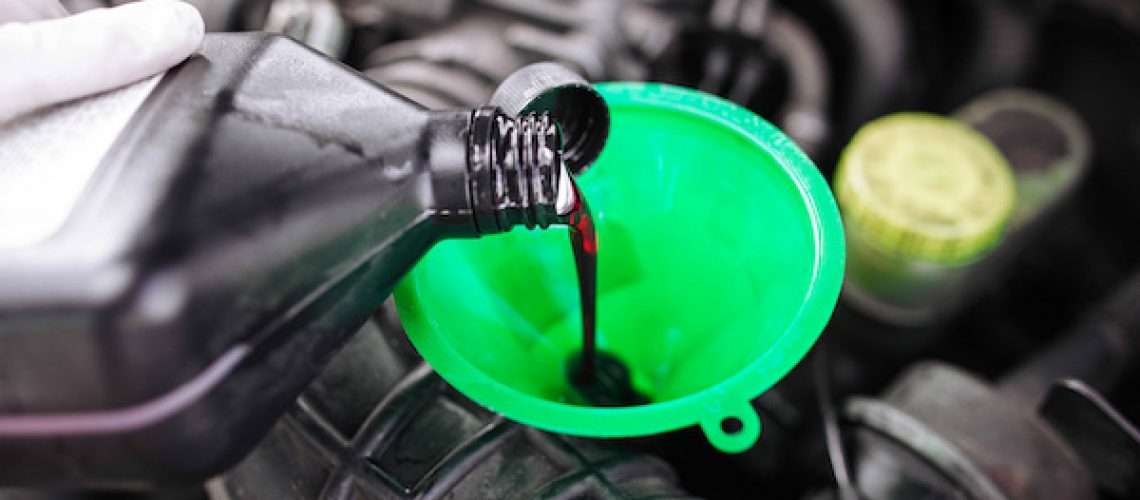

Transmission fluid is a crucial part of your car’s health. It keeps the transmission lubricated, cool, and functioning properly. Without the right amount of fluid, your transmission can begin to fail, leading to expensive repairs.
In this blog post, we’ll take a look at the symptoms of low transmission fluid and how they can lead to costly damage if not addressed in time.
What is Transmission Fluid?
Transmission fluid is a specialized lubricant that helps the transmission system function smoothly. It not only keeps the moving parts lubricated but also helps in cooling the transmission, cleaning debris, and providing hydraulic pressure for gear shifting. Keeping the fluid at the correct level is essential for your car’s performance.
Symptoms of Low Transmission Fluid
Here are some key signs that your car might have low transmission fluid:
1. Slipping Gears
If your vehicle has low transmission fluid, you may notice the gears slipping unexpectedly. This happens when there isn’t enough fluid to maintain proper hydraulic pressure in the transmission, causing it to have trouble shifting smoothly. You might feel the engine revving higher than usual without the car accelerating or notice an unusual delay when shifting gears.
2. Delayed or Rough Shifting
Another common symptom of low transmission fluid is a delayed or rough shifting experience. If the car hesitates when you try to change gears, or if it shifts with a jolt, it could be a sign that the fluid level is too low to provide the necessary pressure for smooth gear changes. The roughness could also be a result of friction inside the transmission caused by a lack of lubrication.
3. Unusual Noises
When transmission fluid is low, the transmission components may start to rub against each other, creating grinding or whining noises. These sounds can become more noticeable when the car is in gear, and they usually indicate that parts are working harder than they should be, which leads to premature wear and tear.
4. Overheating
Low fluid levels can cause your transmission to overheat. Transmission fluid helps to keep the temperature of the transmission down by providing lubrication and cooling.
If the fluid is low, the transmission can become too hot, which can lead to a loss of performance or even a complete breakdown. If you notice a high temperature reading on your dashboard or feel that the car is sluggish, overheating might be to blame.
5. Warning Lights
Many modern vehicles have a transmission temperature light or a check engine light that will turn on if the fluid is low or the transmission is overheating. If this happens, it’s important to address the issue immediately. Driving with low transmission fluid can cause long-term damage to your car.
Why Low Transmission Fluid is Dangerous
Low transmission fluid doesn’t just cause temporary issues—it can lead to expensive, long-term damage. Here’s why:
- Transmission Wear and Tear: Over time, low fluid levels can cause excessive friction between the transmission’s moving parts. This leads to worn-out components, which can be costly to repair or replace.
- Transmission Failure: If the fluid is consistently low or dirty, the transmission can overheat and seize up, which can lead to complete transmission failure. Replacing a transmission is one of the most expensive repairs you can make on a car.
- Reduced Vehicle Performance: Even if the transmission doesn’t fail immediately, low fluid can reduce the car’s overall performance. The vehicle may accelerate sluggishly, have trouble shifting, or struggle to maintain speed, making it less safe to drive.
How to Prevent Low Transmission Fluid
To prevent low transmission fluid from becoming a costly issue, here are some tips:
1. Check Fluid Levels Regularly
One of the best ways to avoid transmission problems is by checking the fluid levels regularly. Most cars have a dipstick under the hood for easy access. Make sure the fluid is within the recommended range, and top it off if needed.
2. Have Routine Maintenance Done
Schedule regular maintenance with a trusted mechanic. During routine check-ups, they can inspect the transmission fluid, change it if necessary, and ensure the overall health of the transmission system.
3. Watch for Leaks
Transmission fluid leaks are one of the primary causes of low fluid levels. If you notice red or pink spots on your driveway or garage floor, it may indicate a leak in the transmission system. Have it repaired quickly to prevent further damage.
4. Follow Manufacturer’s Recommendations
Check your vehicle’s owner manual for the manufacturer’s recommendations on how often to change the transmission fluid. Most cars need a transmission fluid change every 30,000 to 60,000 miles, but this can vary.
Conclusion
Low transmission fluid is not a problem to ignore. If you notice any of the symptoms mentioned, it’s important to address the issue as soon as possible. If left unresolved, low fluid can lead to serious and expensive damage to your transmission system.
By checking your fluid levels regularly and keeping an eye on your car’s performance, you can avoid costly repairs and keep your vehicle running smoothly.