
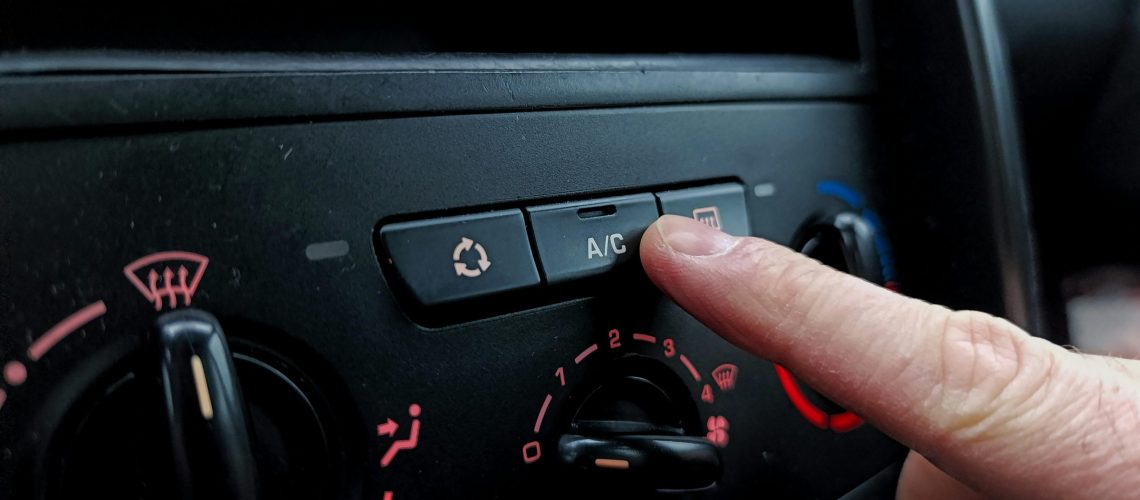

Driving on a hot day without a functioning air conditioning system can quickly turn any journey into an uncomfortable experience.
If your car’s AC isn’t working, the problem could be due to a variety of reasons. Understanding these issues can help you troubleshoot and fix the problem faster.
Here’s a detailed look at the top reasons why your car’s AC might not be working and what you can do about it.
1. Refrigerant Leak
Refrigerant is the lifeblood of your car’s air conditioning system. If there’s a leak, the system won’t be able to cool the air effectively. Refrigerant leaks can occur due to wear and tear, damaged hoses, or faulty seals.
Signs of a Refrigerant Leak:
- Warm air blowing from the vents.
- Oily residue near AC components.
- Hissing noises when the AC is turned on.
Solution: A certified mechanic can identify the source of the leak and recharge the refrigerant. It’s essential to address leaks promptly to prevent further damage to the system.
2. Faulty Compressor
The compressor is the heart of your car’s AC system. It’s responsible for circulating refrigerant throughout the system. A faulty compressor means the refrigerant won’t move, and your AC will fail to cool.
Common Causes of Compressor Issues:
- Lack of regular use (compressors can seize up if not used for extended periods).
- Electrical problems.
- Wear and tear over time.
Solution: Regularly running your AC, even during colder months, can prevent compressor issues. If the compressor is already damaged, it might need to be repaired or replaced.
3. Clogged or Damaged Condenser
The condenser’s job is to cool down the refrigerant after it has been compressed. If the condenser is clogged by debris or damaged, it can’t do its job, leading to insufficient cooling.
Signs of a Condenser Problem:
- Reduced cooling efficiency.
- Strange noises when the AC is running.
- Visible debris or damage to the condenser (located near the front grille).
Solution: Clean the condenser to remove any debris. For physical damage, a professional replacement may be necessary.
4. Electrical Problems
Modern car AC systems rely heavily on electrical components. A blown fuse, damaged wires, or a malfunctioning control module can interrupt the system’s operation.
Signs of Electrical Issues:
- AC doesn’t turn on at all.
- Intermittent cooling.
- Unresponsive controls on the dashboard.
Solution: Inspect fuses and wiring for visible damage. Electrical issues should be addressed by a professional to avoid further complications.
5. Faulty Blower Motor or Fan
The blower motor pushes air through the vents. If it’s malfunctioning, you might feel weak airflow or no air at all.
Symptoms of a Blower Motor Problem:
- Weak airflow even when the AC is set to high.
- Unusual noises coming from the vents.
- Complete lack of air movement.
Solution: Replacing the blower motor or repairing the fan system can restore proper airflow.
6. Blocked Cabin Air Filter
The cabin air filter removes dust, pollen, and debris from the air entering your car. Over time, this filter can become clogged, restricting airflow and reducing the AC’s effectiveness.
Signs of a Clogged Filter:
- Reduced airflow from the vents.
- Musty or unpleasant smells when the AC is running.
Solution: Cabin air filters should be replaced regularly, typically every 12,000 to 15,000 miles, depending on driving conditions.
7. Low Refrigerant Levels
Even if there isn’t a leak, refrigerant levels can decrease over time due to normal use. Without enough refrigerant, the system won’t cool efficiently.
Symptoms of Low Refrigerant:
- AC blows slightly cool but not cold air.
- Compressor cycles on and off more frequently.
Solution: Have a professional check and refill the refrigerant. Proper levels are crucial for the AC to function effectively.
8. Issues with the AC Control Unit
The AC control unit is the brain of the system, managing temperature, airflow, and other settings. If it’s malfunctioning, the entire system might stop working or behave erratically.
Signs of Control Unit Problems:
- Inconsistent cooling.
- Display panel glitches.
- Unresponsive buttons or knobs.
Solution: Resetting the system or replacing the control unit may resolve the issue. Consult a mechanic for a thorough diagnosis.
9. Broken or Damaged AC Belts
The AC system relies on belts to drive the compressor. If these belts are damaged or broken, the system won’t work.
Signs of Belt Issues:
- Squealing noises when the AC is on.
- AC doesn’t cool despite the compressor being functional.
Solution: Check for visible damage to the belts. Replacing worn-out belts is a relatively simple fix.
Conclusion
Your car’s air conditioning system is a complex network of components working together to keep you comfortable. When it stops functioning, identifying the root cause is key to getting it back in working order.
Regular maintenance and inspections can prevent many of these issues and save you time and money in the long run.
If you’re unable to pinpoint or fix the problem on your own, consult a professional mechanic.
They can perform a detailed inspection and ensure your AC system is back to cooling effectively. Stay cool, and happy driving!