
When your car starts having issues, one of the potential culprits could be a malfunctioning catalytic converter. This crucial part of your vehicle’s exhaust system is responsible for reducing harmful emissions and making sure your car runs clean.
However, like all car components, it can fail over time. If your catalytic converter goes bad, it can cause a range of issues that affect your vehicle’s performance, fuel efficiency, and even the environment.
Let’s dive into what happens when this part of your car starts failing and how you can spot the signs.
What is a Catalytic Converter?
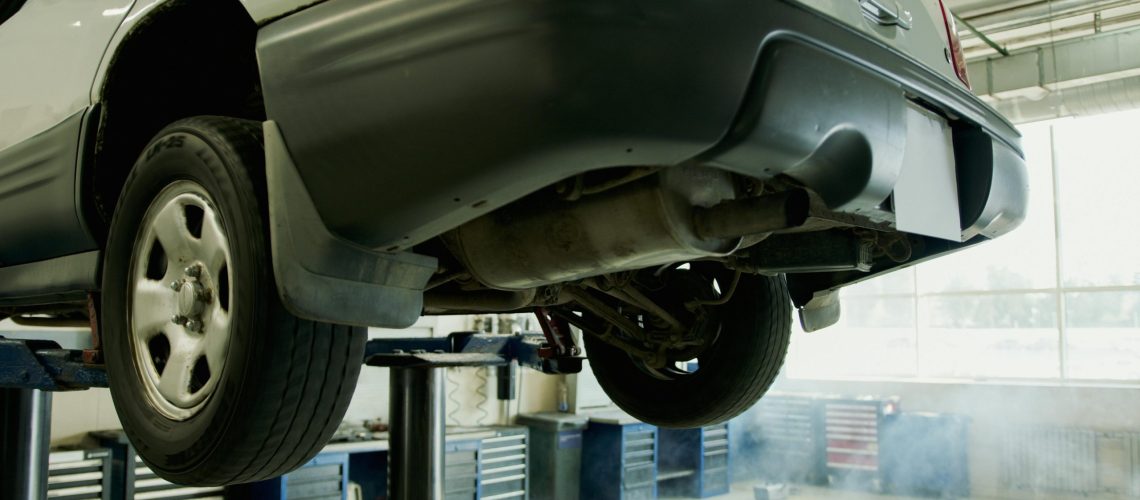
A catalytic converter is a part of your car’s exhaust system that helps convert harmful gases like carbon monoxide, hydrocarbons, and nitrogen oxides into less harmful emissions such as carbon dioxide and water vapor. It uses a catalyst, usually platinum, palladium, and rhodium, to speed up chemical reactions that break down these pollutants.
Without it, your car would produce a lot of toxic emissions, making it harmful to the environment and failing emissions tests.
Signs of a Failing Catalytic Converter
- Reduced Engine Performance: If your catalytic converter is failing, it may cause your engine to lose power. This is because a clogged converter restricts the flow of exhaust gases. When this happens, your engine might struggle to run smoothly, especially during acceleration.
- Poor Fuel Efficiency: A bad catalytic converter can lead to reduced fuel efficiency. Since it’s not processing exhaust gases properly, your engine has to work harder to perform basic functions. This means you’ll likely need to fill up your gas tank more often.
- Rattling Noises: When a catalytic converter fails, the internal parts might break apart, causing a rattling sound beneath your car. If you hear a metallic noise coming from your exhaust system, this could indicate that the catalyst is damaged.
- Check Engine Light: A failing catalytic converter can trigger the “Check Engine” light on your dashboard. Modern cars have sensors that monitor the catalytic converter’s performance, and if it detects a problem, it will alert you. This is one of the first signs you should pay attention to.
- Foul Smell: If your catalytic converter isn’t functioning properly, your exhaust may release a sulfur or rotten egg smell. This is due to the buildup of hydrogen sulfide in the exhaust system. The smell is often noticeable when the car is idling or when you start the engine.
- Engine Misfire or Stalling: A clogged catalytic converter can cause engine misfires or stalling. Since it restricts the exhaust flow, the engine may not be able to expel gases properly, which can result in misfires and a rough idle.
Causes of Catalytic Converter Failure
Several factors can lead to the failure of your catalytic converter, including:
- Age and Wear: Like any other part in your vehicle, a catalytic converter can wear out over time. The average lifespan of a catalytic converter is between 100,000 and 150,000 miles, depending on how well you maintain your vehicle.
- Engine Problems: If your engine is misfiring, burning oil, or running too rich (too much fuel and not enough air), it can send excess unburned fuel into the exhaust system, which can damage the catalytic converter.
- Poor Maintenance: Failing to maintain your car properly, such as not changing the oil regularly or ignoring engine issues, can lead to a malfunctioning catalytic converter.
- Contamination: Sometimes, contaminants like coolant or oil can leak into the exhaust system, causing the catalytic converter to clog or fail prematurely.
Consequences of Ignoring a Bad Catalytic Converter
Ignoring the symptoms of a failing catalytic converter can lead to several issues:
- Damage to Other Components: If left unchecked, a bad catalytic converter can affect other parts of your vehicle, including the oxygen sensors, fuel injectors, and the engine itself. These components may wear out faster due to the increased stress caused by improper exhaust flow.
- Failed Emissions Test: A faulty catalytic converter can cause your car to fail an emissions test, which could prevent you from registering your vehicle or renewing your license plate in certain states or countries. This can be a costly inconvenience, especially if you have to replace the converter to pass the test.
- Decreased Engine Life: Over time, a blocked or damaged catalytic converter can cause increased engine temperatures, which can lead to overheating. This additional strain can ultimately shorten the life of your engine.
- Reduced Resale Value: A vehicle with a malfunctioning catalytic converter may not be attractive to potential buyers. It could reduce your car’s resale value significantly. In some cases, a bad catalytic converter might even make it impossible to sell the car without replacing it first.
How to Fix a Bad Catalytic Converter
If you suspect your catalytic converter is bad, it’s important to get it checked by a professional mechanic. Replacing a catalytic converter can be expensive, with prices ranging from $1,000 to $2,500 depending on the make and model of your car. However, if you catch the problem early, you may be able to prevent further damage and save money in the long run.
- Replace the Catalytic Converter: The most effective way to fix a bad catalytic converter is to replace it entirely. While this can be costly, it’s the only way to restore the proper function of your exhaust system.
- Fix Engine Issues: If your catalytic converter has been damaged due to engine problems like misfires or an overly rich fuel mixture, it’s important to fix the underlying issue before replacing the converter. Otherwise, the new converter could fail just as quickly as the old one.
- Perform Regular Maintenance: Regularly servicing your car and addressing engine issues promptly can help prolong the life of your catalytic converter. Make sure to change your oil and filters on time and pay attention to any unusual sounds or smells coming from your car.
Conclusion
Your catalytic converter plays a vital role in keeping your car running smoothly and ensuring that it meets environmental standards. If you start noticing symptoms like poor engine performance, a decrease in fuel efficiency, or the dreaded “Check Engine” light, it’s important to address the issue before it leads to more serious damage. Regular maintenance and timely repairs can help extend the life of your vehicle and keep it running at its best.